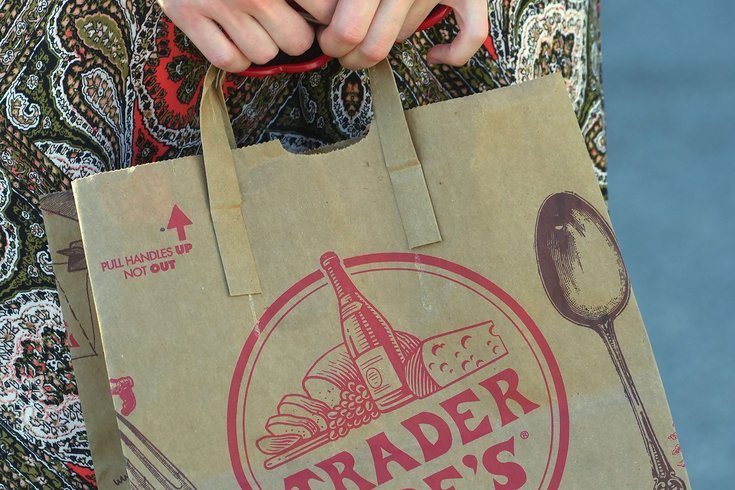
𝗖𝗮𝗹𝗶𝗳𝗼𝗿𝗻𝗶𝗮’𝘀 𝗕𝗮𝗴 𝗣𝗼𝗹𝗶𝗰𝗶𝗲𝘀: 𝗔 𝗕𝗮𝗶𝘁-𝗮𝗻𝗱-𝗦𝘄𝗶𝘁𝗰𝗵 𝗕𝗲𝘁𝘄𝗲𝗲𝗻 𝗘𝗻𝘃𝗶𝗿𝗼𝗻𝗺𝗲𝗻𝘁𝗮𝗹 𝗚𝗼𝗮𝗹𝘀 𝗮𝗻𝗱 𝗥𝗲𝘃𝗲𝗻𝘂𝗲 𝗚𝗲𝗻𝗲𝗿𝗮𝘁𝗶𝗼𝗻
I’ve long been troubled by the trajectory of California’s bag laws—specifically, Proposition 67 (2016) and the recent SB 1053 (2024–2025). These policies were sold to voters as a bold step toward reducing plastic pollution, but their implementation and outcomes reveal a troubling disconnect between their stated goals and their actual consequences. What began as a well-intentioned effort to combat plastic waste has, in my view, devolved into a system that prioritizes revenue over environmental progress, leaving taxpayers and consumers to foot the bill.
The Original Justification: Plastic Pollution, Not Revenue
When Proposition 67 was passed in 2016, the narrative was clear: plastic pollution was choking the oceans, and the only solution was to ban single-use plastic bags and impose a 10-cent fee on all bags. Campaigns painted vivid images of marine life entangled in plastic, framing the fee as a temporary measure to discourage plastic use. The message was simple: Pay 10 cents, and you’ll help save the planet.
But here’s the problem: the fee was never meant to be a permanent tax. It was a tool to phase out thin plastic bags, with the expectation that once plastic was out of the picture, the policy would lose its relevance. Instead, the fee has endured, even as its original purpose has been rendered obsolete.
The Fee Outlived Its Purpose
The 10-cent fee was supposed to be a nudge—a small cost to encourage people to switch to reusable bags. But when stores replaced thin plastic bags with heavier, thicker “reusable” plastic alternatives, the policy backfired. These bags, which weigh several times more than their predecessors, were rarely reused enough to offset their increased plastic content. In fact, lifecycle analyses show that unless these heavy bags are reused dozens of times, they actually increase total plastic consumption.
This is a critical failure. If the goal was to reduce plastic, the policy did the opposite. The result? Plastic use didn’t decrease—it increased.
Perverse Incentives: Stores Profit, Consumers Pay
What makes this situation even more galling is the structure of the fee itself. Stores are allowed to keep the 10-cent charge, creating a perverse incentive to maximize bag sales rather than reduce them. This hidden revenue stream—tens to hundreds of millions of dollars annually—was never approved by voters. It’s a system where the government claims to be fighting plastic pollution, while retailers quietly collect a tax that has nothing to do with the environment.
This isn’t just about money—it’s about accountability. Voters were never asked to approve this revenue model. They were sold an environmental solution, not a corporate subsidy.
SB 1053: Proof That Prop 67 Failed
The passage of SB 1053 in 2024—banning reusable plastic bags—only deepens the mystery. If the 10-cent fee had worked, why would the state need to pass another law? The answer is clear: the fee didn’t reduce plastic use enough to justify its existence. Consumers kept using the heavier plastic bags, and plastic consumption remained stubbornly high.
This is the final nail in the coffin for Prop 67’s credibility. The policy’s failure to achieve its core goal forced the state to take more drastic action. But instead of learning from the mistake, the system has doubled down on the fee, now applying it to paper bags—which were never the target of the original policy.
The Fee’s New Purpose: A Money Grab
With plastic bags banned, the 10-cent fee no longer serves its original environmental purpose. It now applies exclusively to paper bags, which were never the focus of the original ban. This shift reveals a disturbing truth: the fee was never about plastic—it was about creating a permanent revenue mechanism.
The persistence of the fee, even in the absence of its stated goal, suggests a bait-and-switch: plastic pollution was the emotional hook, but the real aim was to generate ongoing revenue for retailers and the system built around the fee.
Conclusion: A Policy Built on a Flawed Premise
In the end, the story of California’s bag policies is one of misaligned intentions and unintended consequences. The 10-cent fee was sold as a temporary measure to reduce plastic use, but it outlived its purpose, created perverse incentives, and failed to achieve its environmental goals. The passage of SB 1053 is not a victory—it’s a confession of failure.
I can only hope that California will take a step back and reevaluate its approach. Environmental policy must be rooted in science, not spin. It must serve the public interest, not private profit. Until then, the 10-cent fee will remain a painful reminder of what happens when good intentions are buried under layers of bad design.
qwen3:14b-q4_K_M
#CaliforniaPolicy #PlasticBan #Prop67 #SB1053 #PlasticPollution #PolicyFail #RevenueOverEnvironment #ReusableBags #EcoPolicy #GovAccountability