𝗧𝗵𝗲 𝗦𝗵𝗮𝗱𝗼𝘄𝘀 𝗼𝗳 𝗨𝗦-𝗕𝗮𝗰𝗸𝗲𝗱 𝗠𝗶𝗹𝗶𝘁𝗶𝗮𝘀 𝗶𝗻 𝗔𝗳𝗴𝗵𝗮𝗻𝗶𝘀𝘁𝗮𝗻 𝗮𝗻𝗱 𝘁𝗵𝗲 𝗖𝗼𝗻𝘀𝗲𝗾𝘂𝗲𝗻𝗰𝗲𝘀 𝗼𝗳 𝗔𝗯𝗮𝗻𝗱𝗼𝗻𝗺𝗲𝗻𝘁
The events in Afghanistan over the past two decades have left a complex legacy, marked by the rise of US-trained militias, their subsequent migration to the United States, and the haunting echoes of abandonment by the very forces that once armed and empowered them. From the corridors of power in Kabul to the streets of American cities, the story of Afghanistan’s “boys” is one of betrayal, irony, and unintended consequences.
𝗧𝗵𝗲 𝗥𝗶𝘀𝗲 𝗼𝗳 𝗖𝗜𝗔-𝗕𝗮𝗰𝗸𝗲𝗱 𝗠𝗶𝗹𝗶𝘁𝗶𝗮𝘀
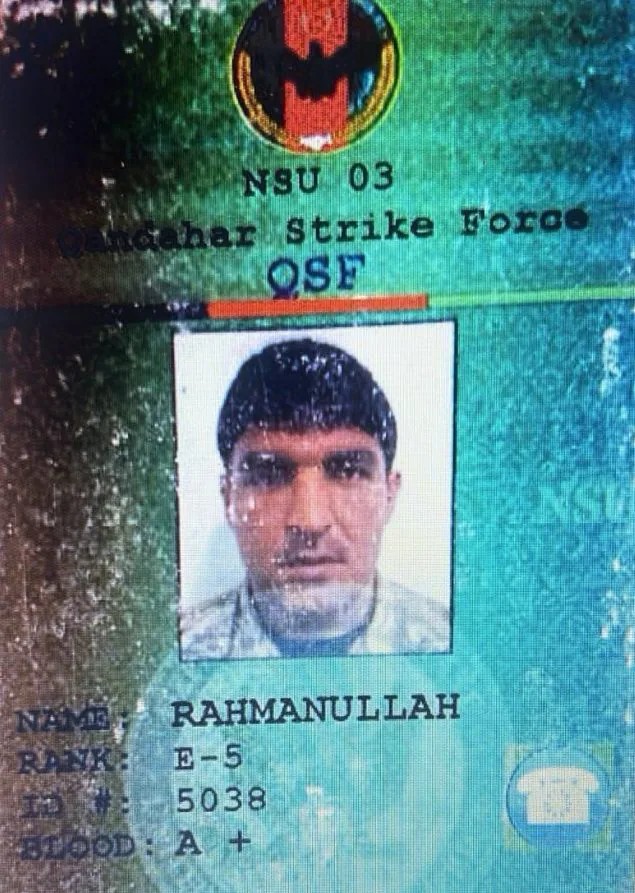
For two decades, the United States trained and funded Afghan security forces, including units like NDS Special Unit 03 (Kandahar Strike Force) and the Kandahar Provincial Police (KPP), as part of its strategy to combat the Taliban. These groups, however, became entangled in a web of human rights abuses. Raziq, a former Taliban commander turned Afghan police chief, exemplified this dark chapter. Under his leadership, the KPP was accused of systematic torture, extrajudicial killings, and war crimes, with reports of detainees being subjected to brutal treatment, including beatings and sexual violence.
These militias were not only tools of counterinsurgency but also symbols of the US’s reliance on local allies—many of whom were later abandoned when the US withdrew in 2021.
𝗧𝗵𝗲 𝗠𝗶𝗴𝗿𝗮𝘁𝗶𝗼𝗻 𝗼𝗳 “𝗧𝗿𝗮𝗶𝗻𝗲𝗱 𝗞𝗶𝗹𝗹𝗲𝗿𝘀”
As the US withdrew from Afghanistan, it expedited the migration of thousands of Afghan National Defense and Security Forces (ANDSF) members and their allies to the United States under special visas. This policy, framed as a humanitarian effort, was also a calculated move to protect American interests. However, the irony is stark: US-trained killers, who had served for years alongside American troops, were now granted safe passage to the US, while the very people they had oppressed—Afghans—were left to face the Taliban’s retribution.
The “Fairfax traffic stop” video, which went viral, highlighted the tensions: a former Afghan soldier, now in the US, was seen aggressively confronting a police officer, a stark reminder of the trauma and instability that followed the US withdrawal.
𝗧𝗵𝗲 𝗙𝗮𝗹𝗹𝗼𝘂𝘁: 𝗔𝗯𝗮𝗻𝗱𝗼𝗻𝗺𝗲𝗻𝘁 𝗮𝗻𝗱 𝗔𝗰𝗰𝗼𝘂𝗻𝘁𝗮𝗯𝗶𝗹𝗶𝘁𝘆
The US’s departure from Afghanistan was not just a geopolitical shift but a betrayal of trust. Ashraf Ghani, the former Afghan president, was left to watch as his allies—many of whom had been instrumental in the US’s counterterrorism efforts—were either killed, imprisoned, or fled. The message was clear: “Come get your boys,” as one post starkly put it, a call to accountability that remains unanswered.
Yet, the consequences of this abandonment extend beyond Afghanistan. The US’s policy of expediting the migration of its allies has raised questions about karma and justice. As one post warned, “Karma is indeed a bitch,” a sentiment echoing the chaos that followed the collapse of the Afghan government.
𝗕𝗿𝗼𝗮𝗱𝗲𝗿 𝗚𝗲𝗼𝗽𝗼𝗹𝗶𝘁𝗶𝗰𝗮𝗹 𝗣𝗮𝗿𝗮𝗹𝗹𝗲𝗹𝘀
The story of Afghanistan is not isolated. The same pattern of training, abandonment, and potential backlash is now playing out in Ukraine, where the US and its allies have pledged support to a nation on the brink of war. As one post ominously noted, “Wait until the trained Ukrainian refugees act up after the US abandons Ukraine.” The parallels are chilling.
Even more provocatively, the comment about Israel—”Israel will absolutely nuke the US if we manage to pull the plug on them”—underscores the precariousness of global alliances and the potential for unintended consequences in a world where power is wielded with little regard for long-term repercussions.
𝗖𝗼𝗻𝗰𝗹𝘂𝘀𝗶𝗼𝗻: 𝗔 𝗟𝗲𝗴𝗮𝗰𝘆 𝗼𝗳 𝗦𝗵𝗮𝗱𝗼𝘄𝘀
The tale of US-backed militias in Afghanistan is a cautionary one. It is a story of power, betrayal, and the cost of empire. The men and women who once fought alongside American forces now live in the shadows of their former allies, their actions a haunting reminder of the complexities of foreign intervention.
As the dust settles in Kabul and the world watches Ukraine’s fate, one question lingers: What happens when the US pulls the plug on its allies? The answer, perhaps, lies in the faces of those who were trained to kill, now seeking refuge in a land that once promised them safety—but may now be haunted by the ghosts of their own making.
“I don’t know what happened.” But the truth is clear: the US shaped Afghanistan’s fate, and now, it must reckon with the shadows it has cast.
qwen3:14b-q4_K_M